It's one of those questions everyone has but nobody really asks out loud: how often should you actually be washing your stuff? Most of us have a vague sense that we should probably wash things more often, but the reality is that overwashing is just as much of a problem as underwashing. It wears out your clothes faster, uses more water and energy, and takes up time you could spend doing literally anything else.
Quick Answer
Wash bed sheets every one to two weeks, bath towels after three to four uses, and jeans every five to ten wears.
Here's a practical, no-nonsense guide based on what hygiene experts recommend and what actually makes sense for everyday life. We've also factored in the Queensland climate, because let's be honest, living in South East Queensland means you sweat more and deal with humidity that most washing guides don't account for.
Bed Sheets and Pillowcases
Recommended: Every Week
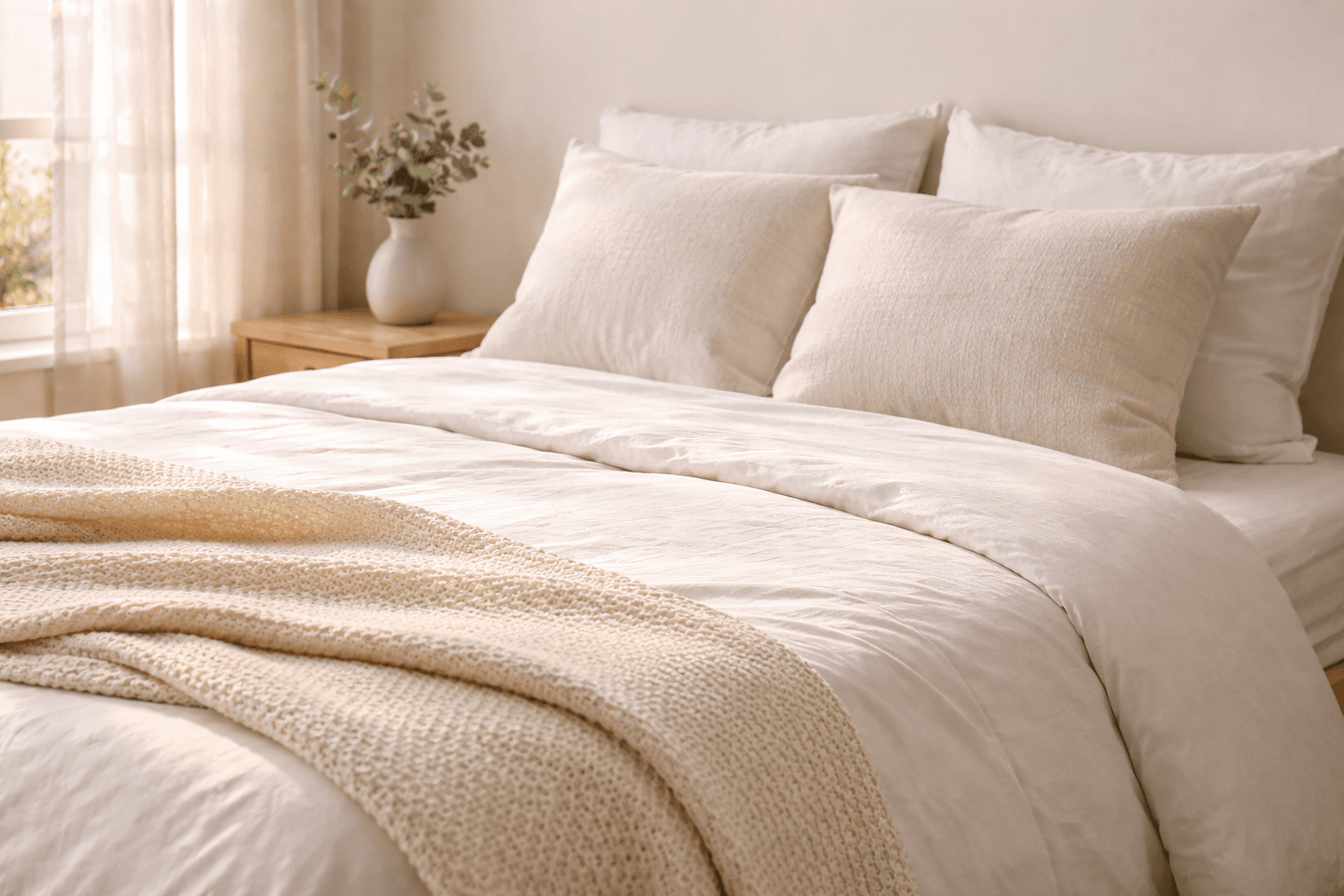
Your bed collects dead skin cells, sweat, body oils, dust mites, and bacteria every single night. After a week, the average sheet set contains enough biological material to affect air quality in your bedroom. Dust mites thrive in warm, humid environments, and Queensland provides exactly that for most of the year.
Pillowcases deserve extra attention. Your face presses into that fabric for seven to nine hours a night. If you struggle with acne or skin irritation, try changing your pillowcase every two to three days. It makes a genuine difference that dermatologists consistently recommend.
Wash sheets in warm water (around 60 degrees Celsius) to kill dust mites effectively. Cold water cleans the fabric but doesn't eliminate mites. If you find weekly sheet washing a chore (and honestly, who doesn't?), our bedding and linen service handles it for you. Drop off on Monday, pick up fresh and folded.
Towels: Bath, Hand, and Face
Recommended: Every 3 to 4 Uses
A lot of people think towels stay clean because you're using them right after a shower. That logic makes sense on the surface, but towels collect dead skin cells every time you dry off, and they stay damp for hours afterwards. In a Queensland bathroom without great ventilation, that damp towel becomes a breeding ground for bacteria and mould.
The three-to-four-use guideline assumes you hang your towel up properly between uses so it can dry out completely. If your towel stays bunched up on the floor or on a hook where it can't air out, wash it after every second use. If your towel smells musty even after washing, run it through a hot cycle with a cup of white vinegar instead of detergent. That kills the bacteria causing the smell.
Hand towels and face washers should be washed every one to two days. They get used more frequently and stay damp in the bathroom.
Jeans and Denim
Recommended: Every 4 to 5 Wears
This surprises a lot of people who wash their jeans after every single wear. Denim is a tough, dense fabric that doesn't absorb odour or bacteria as quickly as lighter materials. Washing jeans too often fades the colour, breaks down the fibres, and changes the fit.
Between washes, hang your jeans up and let them air out. If you get a specific stain, spot clean that area rather than running the whole pair through the machine. When you do wash them, turn them inside out and use a cold cycle. This preserves the colour and shape for much longer.
The exception: if you've been sweating heavily in them (summer days in Brisbane or Logan, gardening, physical work), wash them sooner. Use your nose as a guide. If they smell, they need washing regardless of how many wears you've had.
Delicates and Special Fabrics
Recommended: Every 3 to 4 Wears
Bras sit against your skin all day and absorb sweat, oils, and bacteria. But they're also one of the most delicate items in your wardrobe, and overwashing destroys the elastic and support structure. Rotating between several bras helps each one last longer and gives them time to spring back into shape between wears.
Always wash bras on a gentle cycle in a mesh laundry bag, or by hand. The agitator in a top-loading machine can twist and bend underwire. Never put bras in the dryer. The heat breaks down elastic and warps moulded cups. Air dry them flat or draped over a rack.
Signs It Is Time to Wash
Recommended: Every Single Wear
This one shouldn't need much explanation, but here's the reasoning: underwear sits against areas with the highest concentration of bacteria on your body. After a single day's wear, underwear carries a significant bacterial load that washing is needed to eliminate. No exceptions, no shortcuts. Fresh pair every day.
Wash underwear in warm to hot water to effectively kill bacteria. If anyone in the household has a fungal infection, wash their underwear separately on a hot cycle.
Activewear and Gym Clothes
Recommended: After Every Wear
Gym gear, running clothes, anything you exercise in. These garments absorb a huge amount of sweat, and synthetic fabrics (which most activewear is made from) hold onto bacteria and odour more stubbornly than natural fibres like cotton.
Don't leave sweaty workout gear in a gym bag or laundry basket for days. In Queensland's humidity, bacteria multiply rapidly and the smell becomes almost impossible to remove. If you can't wash immediately, at least hang the items up to dry out.
Wash activewear in cold water with a sports-specific detergent or add half a cup of white vinegar to the rinse cycle. Avoid fabric softener because it coats synthetic fibres and traps odour rather than removing it. Tumble dry on low or air dry.
If you're training most days and the laundry pile is getting out of control, our wash and fold service keeps everything clean and ready without you having to think about it. A lot of our regular customers are people with active lifestyles who just don't have time for daily loads.
Everyday Clothes
Recommended: Every 1 to 2 Wears
Lightweight shirts and tops that sit against your skin pick up sweat and body oils quickly, particularly around the collar, underarms, and lower back. In summer, once is enough before they need washing. In cooler months, you might get two wears out of a shirt if you're wearing an undershirt and not sweating.
Sort by colour and fabric type for best results. Wash whites separately to prevent greying over time. If you want your clothes pressed and looking sharp for work, our wash and iron service gets everything looking professional without you having to pull out the ironing board.
Outerwear and Seasonal Items
Recommended: Once a Season or As Needed
Outerwear doesn't sit directly against your skin (most of the time), so it doesn't accumulate body oils and bacteria at the same rate as base layers. A jacket worn over a shirt can go weeks or even months between washes without any hygiene concerns.
Spot clean visible marks between washes. Hang jackets up properly so they air out rather than trapping odour. When they do need a full wash, check the care label carefully. Many structured jackets, blazers, and coats have interfacing and padding that can be damaged by a standard machine wash.
Wool coats, suit jackets, and anything with structure generally benefit from professional cleaning. You get a thorough clean without risking the shape and construction of the garment.
Queensland Climate Considerations
Most washing frequency guides are written for temperate climates. Living in South East Queensland changes things in several ways that are worth thinking about.
Humidity and Bacteria Growth
Our subtropical humidity means bacteria and mould grow faster on damp fabrics. That musty towel smell? It happens quicker here than in drier parts of Australia. Items that would be fine for a few days in Melbourne might need washing sooner in Brisbane, Logan, or the Gold Coast. If in doubt, wash it.
Sweating More Means Washing More
From October to April, most of us sweat significantly more than usual. That means shirts, underwear, and bed sheets all need washing more frequently during the warmer months. Your body can lose up to a litre of sweat during sleep on a hot night, and all of that goes into your sheets.
Drying Conditions
On the positive side, Queensland's sun and warmth mean clothes dry quickly on the line, which reduces bacteria growth between the wash cycle and storage. Take advantage of line drying when you can. UV from sunlight is a natural disinfectant and helps keep whites bright. Just don't leave coloured items in direct sun for too long because it will fade them.
Quick-Reference Washing Schedule
If keeping track of individual items sounds like too much effort, here's a simple weekly routine that covers most households:
- Monday: Bed sheets and pillowcases
- Wednesday: Towels and bathmats
- Friday: General clothing (sort into lights and darks)
- As needed: Workout gear, kids' uniforms, heavily soiled items
This keeps everything on a regular cycle without laundry taking over your entire week. For families around Springfield Lakes and the greater Ipswich area, we know the washing pile can get out of hand quickly with kids, sports, and busy schedules. For more ways to stay on top of the laundry without losing your weekends, see our laundry tips for busy families.
Let Fresh Folds Handle the Schedule
Knowing how often things need washing is one thing. Actually keeping up with it is another. Between work, family, and everything else going on, laundry can pile up fast. That's exactly why we offer regular wash and fold pickups. You hand over the basket, we wash, dry, fold, and return everything on schedule. Sheets, towels, everyday clothes, all taken care of.
If you're spending more time on laundry than you'd like, or if you know your washing routine has slipped behind (no judgement, it happens to everyone), get a quote from Fresh Folds and see how affordable it is to hand over the chore you like least.
People Also Ask
Reference Stack